Maricopa County Assessor provides a reliable system where users can check property records, parcel details, and assessed values with ease. It keeps updated data about ownership, property size, and valuation used for tax purposes. This helps homeowners, buyers, and investors review real estate information without confusion. Many users want quick results, and this system supports fast searches with simple inputs. As a result, property details become easy to find and clearly presented.
Property Records Search
The Maricopa County Assessor office maintains accurate public records and connects them with parcel lookup tools for quick results. People often face delays when checking multiple sources, yet this platform brings all data into one place. With organized records and clear property details, users can check ownership, valuation, and tax-related information in minutes. This makes the assessor office a trusted source for real estate records across the county, helping users complete their search with confidence.

What Does the Maricopa County Assessor Do?
The Maricopa County property assessor determines property value and maintains accurate real estate records for tax purposes. It assigns an assessed value to each property and keeps ownership data organized in a public system. The Maricopa County property assessor plays a central role in the tax assessment process. Its main job is property valuation, which means estimating how much a property is worth based on market trends, size, location, and features. This value becomes the assessed value, which is used to calculate property taxes. The office keeps records updated so users can rely on current data. Clear and consistent valuation helps maintain fairness across all properties in the county.
Property Valuation and Assessed Value
Property valuation follows a structured method that reviews market data and property details. The assessor studies recent sales, location factors, and property features to assign a fair value. This value becomes the assessed value, which directly impacts tax calculations. Regular updates keep the data aligned with current market trends. Accurate valuation supports equal tax distribution and helps property owners understand their tax base.
- Assessed value reflects a portion of market value
- Updated on a regular cycle
- Based on property size, location, and condition
- Used as the base for property tax calculations
Maintaining Real Estate and Ownership Records
The assessor manages a detailed property database that stores all ownership records and property details. This system includes current owners, past transfers, and physical property characteristics. The data remains available as public records, making it easy for users to verify information. Organized records help reduce confusion during property transactions. It also supports legal clarity and smooth real estate processes.
- Owner names and ownership history
- Property type and physical details
- Sales and transfer records
- Public access to verified real estate records
Parcel Identification System
Each property receives a unique parcel number, often called an APN, which links all records to one file. This system helps users locate property data quickly without confusion. It acts as a fixed reference even if ownership or address details change. The parcel system keeps the property database organized and searchable. It improves accuracy and saves time during property lookups.
- Unique ID for every property
- Speeds up search results
- Reduces errors in property identification
- Connects all records in one place
Assessor vs Treasurer
The assessor and treasurer serve different roles in the property tax system. The assessor focuses on property valuation and record management, while the treasurer handles tax collection. This separation keeps responsibilities clear and organized. It helps maintain accuracy in both valuation and payment processes. Users benefit from a structured system where each office has a defined role.
| Role | Main Function |
|---|---|
| Assessor | Determines property valuation and assigns value |
| Treasurer | Collects taxes and manages payments |
How to Search Property Records in Maricopa County
Property records in Maricopa County can be searched online using parcel number, owner name, or property address. The official tool provides full parcel data, ownership details, and complete property information within seconds.
Official Assessor Search URL: https://mcassessor.maricopa.gov/
This platform allows users to search millions of properties using different methods. It includes ownership details, valuation, tax data, and full real estate records in one system. The search tool supports fast property lookup with simple filters and clear results. Users can enter basic details and get complete property details without switching between multiple sources.
Accessing Maricopa County Property Records
The search process is simple and designed for all users, even those with no prior experience. The system organizes property records into clear categories, making navigation easy. Each step helps narrow down results and improves accuracy. Users can choose different search methods based on available information. This structured approach makes parcel search quick, clear, and reliable.
Open the Official Property Search URL
Start by visiting the official website and locate the search bar labeled for parcel or address search. The homepage is simple and shows a search field at the top for quick use. No login is required for basic searches, which makes the process fast. The tool works smoothly on both desktop and mobile devices. This step sets the base for a successful property lookup.
- Open https://mcassessor.maricopa.gov/
- Find the main search bar
- Choose search type (parcel, owner, or address)

Choose Your Search Method
The tool offers different search options based on the information available. Each method helps users reach property records in a clear way. Choosing the right option improves accuracy and saves time. Users can switch between methods if needed. This flexibility makes the parcel search process simple for all users.
Available search methods:
- Parcel number (APN)
- Owner name
- Property address
Parcel Number Search (Most Accurate)
Parcel number search gives direct and exact results for one property. Each parcel number is unique, which removes confusion during search. This method is best for official or tax-related use. It connects directly to full parcel data in seconds. Users can view complete records without filtering multiple results.
Steps:
- Enter the parcel number (APN)
- Click search
- Open the property record
You will see:
- Ownership records
- Assessed value and tax data
- Property size and features
- Transaction history
Owner Name Search
Owner name search helps users find properties linked to a person or business. This method works well when parcel details are not available. The system may show multiple results, so reviewing the list is important. Users can refine results by checking address or location. This makes it useful for broader real estate records searches.
Steps:
- Enter full or partial owner name
- Review the result list
- Select the correct property
Tips:
- Use correct spelling
- Try partial names if needed
- Narrow results using location
Address Lookup
Address lookup is the most common method for property lookup. It allows users to search using street address details. This method is useful for quick checks and general searches. Accuracy improves when full address details are entered. The system then matches the input with stored property records.
Steps:
- Enter full property address
- Submit the search
- Select the correct result
You will find:
- Property ownership details
- Building and land information
- Assessed value
- Linked parcel number
Review Property Details
After selecting a property, the system displays complete property details in one place. The data comes from the official property database, which keeps records updated. Users can scroll through different sections for full information. This step helps users verify ownership and valuation quickly. All key details appear in a structured format.
Information available:
- Owner name and history
- Parcel number and location
- Property size, type, and features
- Assessed value and tax-related data
- Sales and transfer records
Information Available in Property Records
Property records in Maricopa County give a complete view of any property, helping homeowners, buyers, and researchers make informed decisions. The official system organizes real estate records clearly, so users can quickly access ownership, valuation, and tax information. Each record contains multiple details that explain a property’s history, size, and current value. These records are especially useful for legal verification, investment analysis, or property comparison. By using the official tool, users can get all necessary information in one place.
Ownership History
The ownership history section shows who currently owns the property as well as past owners. This helps verify legitimacy and track any property transfers over time. Users can see complete ownership records, including dates of sales and previous ownership changes. Accessing this information helps buyers and sellers confirm property details before transactions.
Key points:
- Current and past owners
- Transfer dates and sale history
- Verification for legal and transactional purposes
Property Value and Assessed Value
This section provides both the estimated market value and the assessed value used for taxes. Property values are updated regularly to reflect market trends. Knowing the assessed value helps users understand property tax calculations and compare values with similar properties. This data is essential for investors, homeowners, and real estate professionals who need accurate property valuation.
What you can find:
- Market value estimate
- Assessed value for tax purposes
- Updates reflecting current market trends
Lot Size and Property Details
Property records also include detailed information about the lot and structures on the property. Users can see the exact size of the land, property type, and features such as the number of bedrooms, bathrooms, and any improvements. This makes it easier to assess property worth and suitability for purchase or development.
Details included:
- Lot size and dimensions
- Property type and structure details
- Additional features and improvements
Tax Data
The tax section shows the property tax amount based on the assessed value, including payment history and any outstanding liens. This ensures transparency and allows users to understand the financial obligations linked to the property. Accurate tax data is important for potential buyers, homeowners, and legal processes.
Tax information available:
- Property tax amounts
- Payment history
- Any outstanding liens or obligations
Property Values & Tax Assessments Reviewed
Property values in Maricopa County are carefully calculated to ensure fair taxation and accurate property valuation. The Maricopa County property assessor assigns an assessed value to each property, which is then used to calculate property taxes. These values form the basis of the tax assessment process, helping homeowners, buyers, and investors make informed decisions about property purchases and investments. Property value is typically shown in two forms: market value and assessed value. Market value reflects the price a property would likely sell for in the open market and is influenced by real estate trends, comparable sales, and overall demand. Assessed value is a percentage of the market value determined by the assessor to calculate property taxes. This ensures that taxation remains fair and consistent across the county.
How Property Value Is Determined
The assessor uses several factors to assign a fair property valuation. Physical characteristics, location, and recent sales of comparable properties all play a role. Updates are performed regularly to keep values aligned with current market conditions.
Key factors in property valuation include:
- Location and neighborhood conditions
- Property size and lot dimensions
- Building age, materials, and overall condition
- Recent sales of similar properties
Market Value vs Assessed Value
Market value is the estimated price a property would sell for under current market conditions. It is influenced by demand, local trends, and sales of comparable properties.
Assessed value, however, is the figure assigned by the assessor to calculate property taxes. It usually represents a percentage of the market value and is updated periodically, not daily, to maintain stability in taxation.
Comparison:
| Value Type | Purpose |
|---|---|
| Market Value | Estimated sale price in the open market |
| Assessed Value | Used to determine property taxes |
Factors Affecting Property Valuation
Several factors influence how a property’s assessed value is calculated. Changes in the neighborhood, improvements to the property, and broader economic conditions all contribute. These adjustments help ensure property taxes remain fair and reflect current property conditions.
Important factors include:
- Local real estate market trends
- Renovations or structural improvements
- Neighborhood developments or zoning changes
- Size, age, and condition of the property
Factors That Affect Property Value
Several factors influence the value of a property in Maricopa County. These elements determine both the market value and the assessed value used for tax assessment. Property owners, buyers, and investors benefit from knowing what drives property valuation, as it affects taxes, resale potential, and investment decisions.
Location
Location is one of the most important factors in property valuation. Properties in desirable neighborhoods, near schools, shopping areas, or major transportation hubs, usually have higher values. Even small differences in location can significantly affect the assessed value and market demand.
Key points:
- Proximity to schools, parks, and public services
- Access to transportation and highways
- Neighborhood safety and overall appeal
Market Conditions
Market conditions refer to the current state of the real estate market. High demand, limited supply, and economic trends all impact property value. Market fluctuations can cause the assessed value to rise or fall, influencing property taxes and investment potential.
Factors include:
- Local and national real estate trends
- Supply and demand for homes in the area
- Interest rates and economic conditions
Property Improvements
Renovations or upgrades to a property can directly increase its assessed value. Features such as new kitchens, bathrooms, or energy-efficient systems enhance both the market appeal and valuation. Proper maintenance also ensures the property retains its value over time.
Examples of improvements affecting value:
- Structural upgrades (roof, foundation, additions)
- Interior renovations (kitchen, bathrooms, flooring)
- Landscaping and curb appeal enhancements
Maricopa County Assessor Office Services
The Maricopa County AZ assessor provides a variety of services to support property owners, buyers, and real estate professionals. The assessor office manages all property information and ensures access to government property records in a transparent and organized manner. By offering essential services online and in-person, the office helps users complete property research, file appeals, and apply for exemptions efficiently. The office is responsible for maintaining accurate public records access, giving residents the ability to verify ownership, property characteristics, and tax-related information. These services are designed to save time, reduce confusion, and ensure that property taxes are calculated fairly. The system supports both casual users looking up property data and professionals requiring detailed records for legal or investment purposes.
Property Lookup
One of the most widely used services is property lookup. The assessor office maintains a comprehensive database where users can search by parcel number, owner name, or property address. This tool provides accurate government property records in real time, including ownership history, assessed value, and property details.
Property lookup services include:
- Searching for parcels using APN or address
- Accessing ownership records and property details
- Viewing assessed value for tax purposes
- Checking sales history and transfers
Appeals
Property owners who disagree with their assessed value can file an appeal with the assessor office. The appeals process allows residents to request a review and adjustment of their property valuation. It ensures that taxes are fair and consistent across the county.
Appeals service highlights:
- File a formal review for property valuation
- Submit supporting documentation
- Receive guidance from assessor staff on the process
- Track appeal status online
Exemptions
The office also manages property tax exemptions, which reduce the taxable value of certain properties. Exemptions can benefit seniors, veterans, disabled individuals, and qualifying homeowners. Applying for exemptions helps eligible residents lower their tax burden legally and efficiently.
Exemption services include:
- Homeowner and senior exemptions
- Veteran and disability exemptions
- Instructions and forms for online or in-person applications
- Updates on eligibility and renewal deadlines
How to Appeal Your Property Assessment
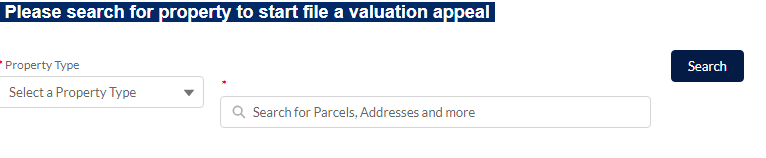
Filing a property assessment appeal in Maricopa County allows homeowners to dispute their assessed value if they believe it is too high or inaccurate. The Maricopa County assessor office provides a secure online portal where residents can submit appeals, check deadlines, and upload supporting documents. Using the official portal ensures your appeal is processed efficiently and tracked properly.
Official Filing Link: https://services.mcassessor.maricopa.gov/s/fileappeallanding
Review Your Property Record
Before filing an appeal, carefully examine your property record. Check the assessed value listed on your annual Notice of Valuation and compare it with similar properties in your area. Identify any discrepancies or errors, such as incorrect square footage, misclassified use, or outdated property details.
Things to review:
- Parcel number and property address
- Assessed value and full cash value
- Property details like lot size, building condition, and improvements
- Sales history of comparable nearby properties
Gather Required Documents
Strong evidence increases the chances of a successful assessed value dispute. Collect all relevant documentation before submitting your appeal.
Typical documents include:
- Recent professional appraisal reports
- Comparable sales data for nearby properties
- Photos showing property defects or unique conditions
- Previous assessment notices or tax statements
File Your Appeal
You can submit your appeal online using the official Maricopa County portal: https://services.mcassessor.maricopa.gov/s/fileappeallanding
Filing steps:
- Log in or create an account on the portal
- Enter your property details (parcel number or address)
- Select the type of appeal and provide reason for dispute
- Upload supporting documents
- Submit the appeal and save your confirmation number
Property Tax Information in Maricopa County
Property taxes in Maricopa County are calculated using the assessed value provided by the Maricopa County assessor office. The assessor determines the value of the property for taxation, while the tax collector is responsible for sending bills and collecting payments. Knowing the difference between these offices helps property owners manage their taxes efficiently and avoid surprises. The assessed value generally represents a percentage of the property’s market value and is updated annually. Homeowners receive a valuation notice each year showing their assessed value, applicable exemptions, and local tax rates. This notice forms the foundation for calculating the property tax owed.
Difference Between Assessor and Tax Collector
The assessor office and the tax collector perform separate functions in property taxation. Understanding their roles ensures homeowners know where to direct questions or concerns. The assessor office sets the assessed value based on property characteristics and market conditions, while the tax collector handles billing, collections, and late payment penalties.
Key differences include:
- Assessor Office: Determines property values, maintains ownership records, and updates property details
- Tax Collector: Sends tax statements, collects payments, and enforces late fees or penalties
How Property Tax Is Calculated
Property taxes are calculated by multiplying the assessed value of the property by local tax rates. These rates are set by city, county, school districts, and other service areas, then combined to form the total tax. The assessed value is the key factor in the calculation, while exemptions and local rates influence the final tax owed.
Factors affecting property tax include:
- Assessed Value: Set by the assessor office based on market value or limited property value
- Tax Rates: Applied by city, county, schools, and special districts
- Exemptions: Senior, veteran, or other eligible exemptions reduce taxable value
Example: A property with an assessed value of $200,000 and a combined tax rate of 1.2% would owe $2,400 annually.
Tracking and Managing Property Taxes
Homeowners can access property tax statements, exemptions, and payment history via the tax collector portal. Staying up to date with your property’s assessed value and payment deadlines ensures timely payments and avoids penalties.
Best practices for property owners:
- Review annual valuation notices for updates to assessed value
- Check current tax rates for your city, school, and district services
- Apply for eligible exemptions to reduce taxable amounts
Public Records Access & Transparency
The Maricopa County assessor office maintains comprehensive public records for all properties in the county. These real estate records are available to residents, businesses, and researchers, ensuring transparency and accountability in property assessments. By providing open access to property data, the assessor office supports informed decision-making for property owners and potential buyers. Public access to real estate records allows individuals to verify property ownership, track property values, and review assessment history. This openness fosters trust in local government by making the assessment process transparent and accountable to the public.
Why Records Are Public
Property records in Maricopa County are considered public to ensure fairness and legal transparency. Open access guarantees that everyone can see how properties are assessed, preventing errors or manipulation.
Benefits of public records access:
- Verify ownership and property details
- Compare assessed values across similar properties
- Research property history and valuation trends
- Support legal or financial transactions requiring proof of ownership
Legal Transparency
The release of public records is mandated by Arizona law, requiring government offices to maintain and share property information openly. This legal framework ensures that real estate records are accurate, complete, and accessible to anyone who requests them.
Key points:
- Annual updates maintain accurate records for all properties
- Property owners can review their own records to confirm correct valuations
- Legal transparency builds trust between residents and the assessor office
Maricopa County Assessor Office Locations & Contact Info
The Maricopa County assessor office provides residents with access to property data, tax assessments, and public records. For in-person assistance, property owners can visit the main office or one of the satellite locations across the county. Knowing the addresses, office hours, and contact information helps residents plan visits and ensures faster service for property-related inquiries. Most property inquiries, including property valuation questions, ownership verification, and public records requests, can also be handled online through the official Maricopa County assessor portal: https://www.mcassessor.maricopa.gov
Main Office Location
The primary office of the Maricopa County AZ assessor is located in downtown Phoenix, serving as the central hub for property records and assessment services. Residents can visit for detailed property information, assistance with appeals, and verification of real estate records.
Main office details:
- Address: 301 W Jefferson St, Phoenix, AZ 85003
- Phone: (602) 506-3406
- Office Hours: Monday – Friday, 8:00 AM – 5:00 PM
- Services: Property valuation, ownership verification, public records access
Satellite & Regional Offices
In addition to the main office, the county property assessor maintains several satellite locations to serve residents in different cities across Maricopa County. These locations help reduce travel time and provide convenient access to public records.
Satellite offices include:
- Scottsdale: 7575 E Main St, Scottsdale, AZ 85251
- Mesa: 301 W 1st St, Mesa, AZ 85201
- Glendale: 5850 W Glendale Ave, Glendale, AZ 85301
Satellite offices offer limited services, including property record lookup, parcel data assistance, and filing of certain forms. Visitors are encouraged to call ahead to confirm available services.
Online Services
Many services provided at physical locations are also available online through the official Maricopa County assessor portal. Residents can search property records, view parcel data, and even start the property assessment appeal process online.
Online services:
- Property lookup and parcel data search
- Public records access for any Maricopa County property
- Filing assessment appeals and forms
- Office hours, contact info, and directions
Frequently Asked Questions
The following FAQs address the most common questions residents have about the Maricopa County assessor office, property records, and assessments. These answers provide clear, actionable information about property valuation, public records, and tax-related processes to help homeowners and potential buyers make informed decisions.
What is the Maricopa County Assessor?
The Maricopa County assessor is a local government official responsible for determining the assessed value of properties throughout the county. This office maintains comprehensive real estate records for every property, including ownership history, parcel details, and valuation data. The information is used to calculate property taxes fairly and transparently. Residents can visit the assessor office in person or use the online portal to view property data. The assessor ensures property records are accurate and updated annually.
How do I find property records?
Property records are available through the Maricopa County assessor office both online and in person. Residents can search using a parcel number, property address, or owner name to access ownership history, assessed values, and property details. The online portal allows users to quickly look up property records, review valuation data, and even prepare for tax appeals. Public access to these records ensures transparency and accountability in property taxation across the county.
What is a parcel number?
A parcel number is a unique identifier assigned to each property by the assessor office. It is used to track property ownership, valuation, and public records accurately. Parcel numbers help differentiate properties with similar addresses and are essential for official transactions, tax payments, and assessment appeals. Homeowners and professionals use parcel numbers when searching for real estate records or verifying legal property information.
How is property value determined?
Property value is determined by the Maricopa County assessor based on factors such as market trends, recent sales of similar properties, property improvements, and location. This market value is then converted into the assessed value used to calculate property taxes. The assessor’s evaluation ensures fairness in taxation and is updated regularly to reflect changing market conditions. Property owners can review these valuations for accuracy through the online property portal or their annual valuation notice.
Can I appeal my assessment?
Yes, property owners who believe their assessed value is incorrect can file a property assessment appeal with the Maricopa County assessor office. Appeals can be submitted online using the official portal: File Your Property Appeal Online. Required documents include appraisal reports, comparable property sales, and any evidence of errors or misclassification. Filing an appeal allows property owners to correct valuations and ensure taxes reflect the true value of their property.